
In the world of nutrition, it is easy to find contradictory information that can confuse even the people most interested in maintaining a healthy lifestyle. The social networks, the councils of «expert friends» and the lack of food education often results in rapidly spreading myths. Today, we want to help you clarify some of the most common myths about healthy food and provide you with science-backed data.
Eating carbohydrates at night fattening
The myth: Many people believe that eating carbohydrates at dinner causes weight gain because «The body doesn't burn them while you sleep.».
The reality: The weight gain does not depend on the time of day you eat carbohydrates, but on the total energy balance: that is, the calories you consume against those you spend. The body does not have a watch that activates or disables fat accumulation according to the time. If your daily caloric intake is balanced and adjusted to your needs, eating carbohydrates at night will not make you gain weight.
Council: Carbs are an important source of energy, and consuming them at night can be beneficial if, for example, you exercise at the last hour of the day or if you need to promote muscle recovery.
The water with lemon, in fasting, burns fat
The myth: Drinking warm water with lemon in fasting is promoted as a «trick» to thinning quickly and «detoxify» the body.
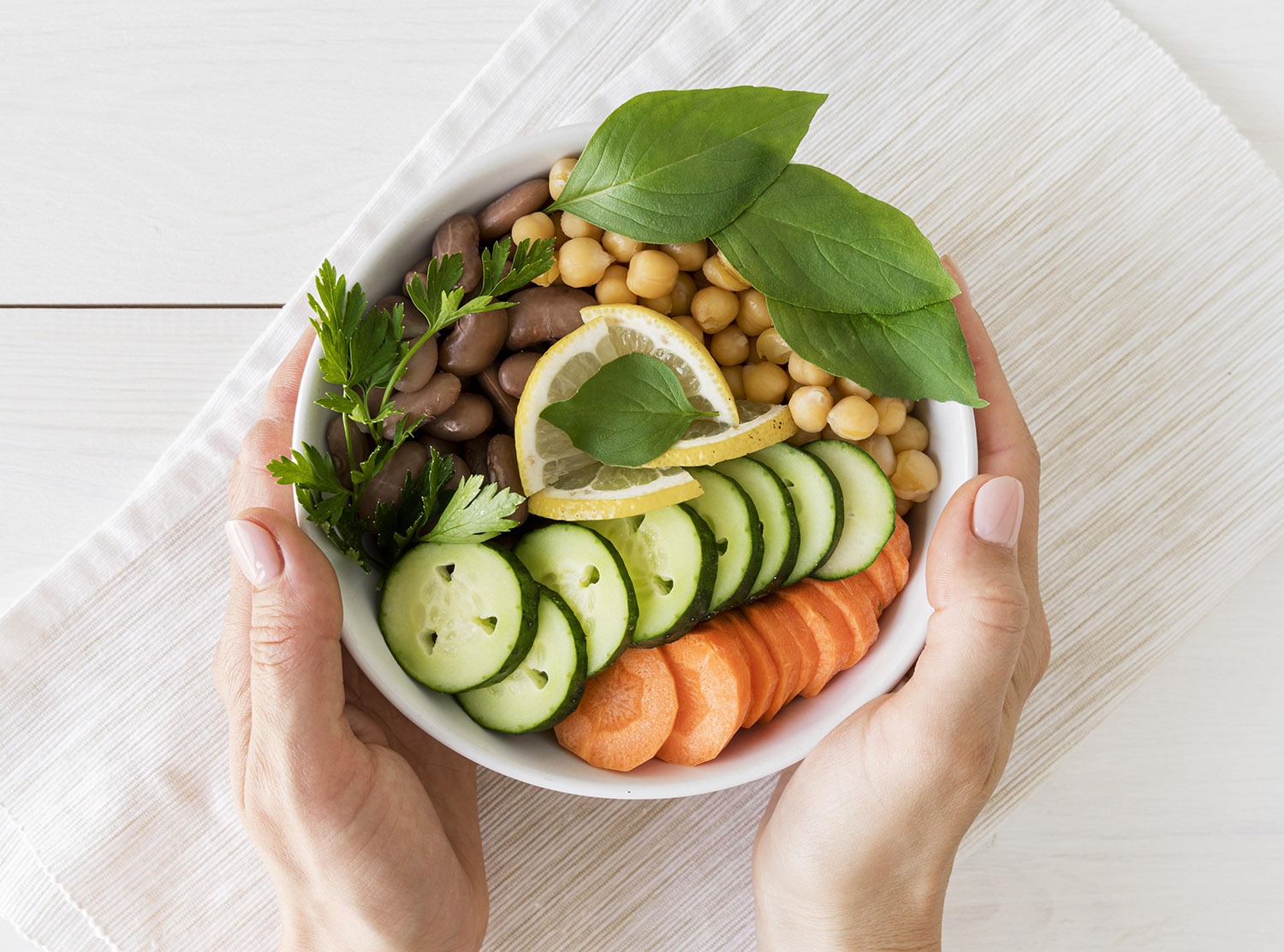
The reality: The lemon water has no magic properties to burn fat or detoxify the body. Although it is true that lemon water can be a good way to hydrate you and that lemon vitamin C has health benefits, there is no scientific evidence to support its thinning effect. The «detoxification» your body does it naturally through the liver and kidneys.
Council: If you like the taste of the water with lemon, keep on taking it, but remember not to replace a balanced diet or exercise.
Light foods don't get fat
The myth: Products labeled as «light» or «low calories» are seen as alternatives that do not contribute to weight gain.
The reality: Although light foods contain less calories, fats or sugar than their original versions, this does not mean they are calorie-free. Many times, manufacturers add other ingredients (such as starches or sweeteners) to improve the taste, which can increase their caloric density. In addition, people tend to consume more of these products thinking that they are «harmless».
Council: Always read the nutritional labels and pay attention to the size of the portions. Light foods may be useful in some diets, but they are not a free pass to eat without moderation.
Fats are bad for health
The mythFor years, fats have been demonized and found guilty of obesity and cardiovascular diseases.
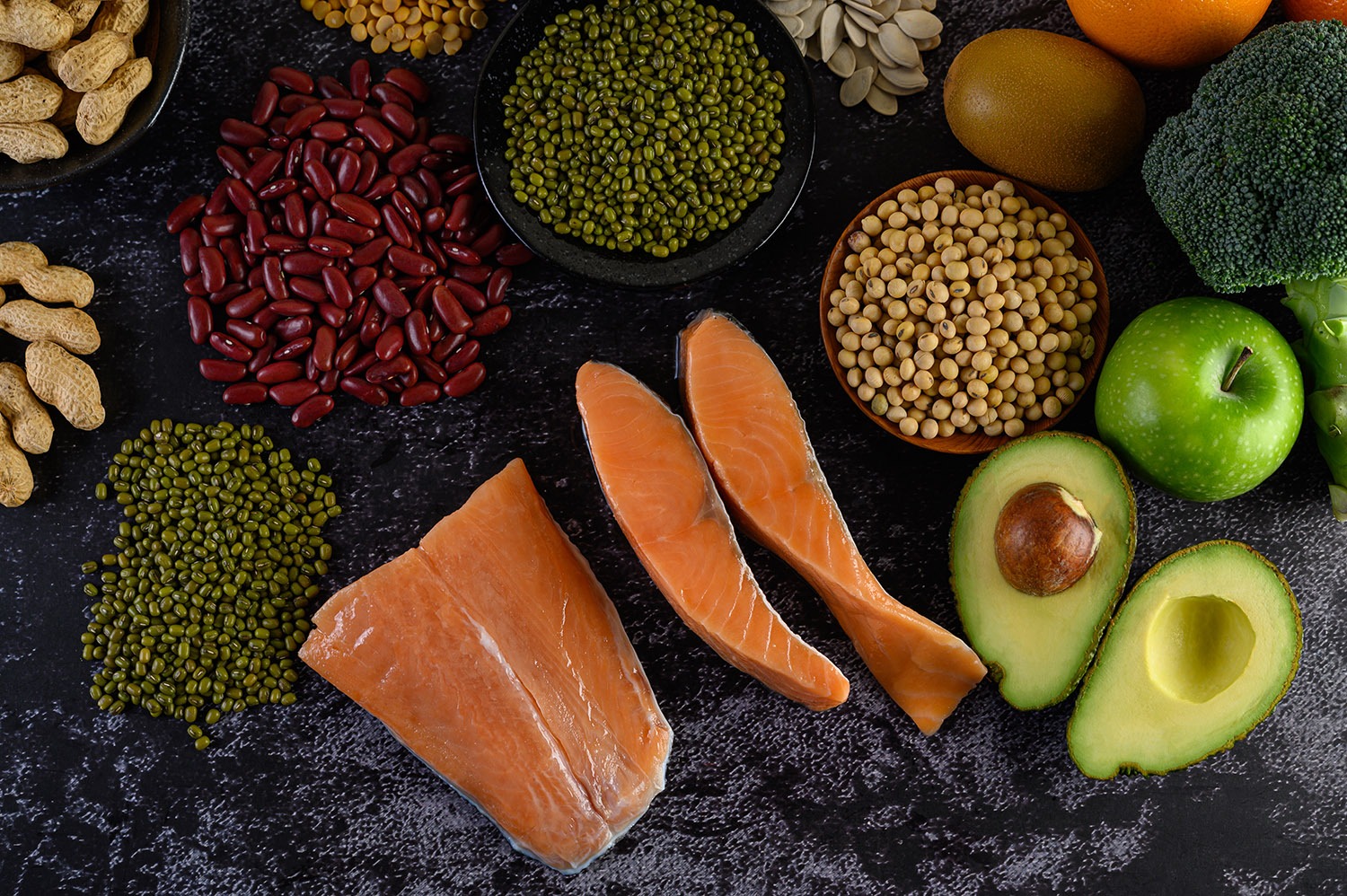
The reality: Not all fats are the same. Trans fats and overconsumed saturated fats can be harmful to health, but healthy fats (such as those in avocado, olive oil, nuts and blue fish) are essential for the functioning of the body. These fats provide energy, help absorb vitamins and contribute to brain and cardiovascular health.
Council: It includes healthy fats in your diet and reduces the consumption of trans-fat-rich ultraprocessed foods. The moderation and quality of the fats you consume are the key.
Skipping meals helps to lose weight
The myth: Skip meals, such as breakfast, may seem like a quick strategy to reduce calories and lose weight.
The enhancementd: Skipping meals not only does not guarantee weight loss, but can have negative effects on your health and metabolism. When you spend long periods without eating, your body can enter into «saving mode» and reduce caloric spending. In addition, you are more likely to end up eating too much at the next meal because of the accumulated hunger.
Council: Instead of skipping meals, choose to consume nutritious-rich foods in appropriate portions and distributed throughout the day. This will help keep your energy and appetite levels stable.
Superfoods are essential to be healthy
The myth: Products such as chia, quinoa, spirulina or açai are promoted as superfoods that offer extraordinary health benefits.
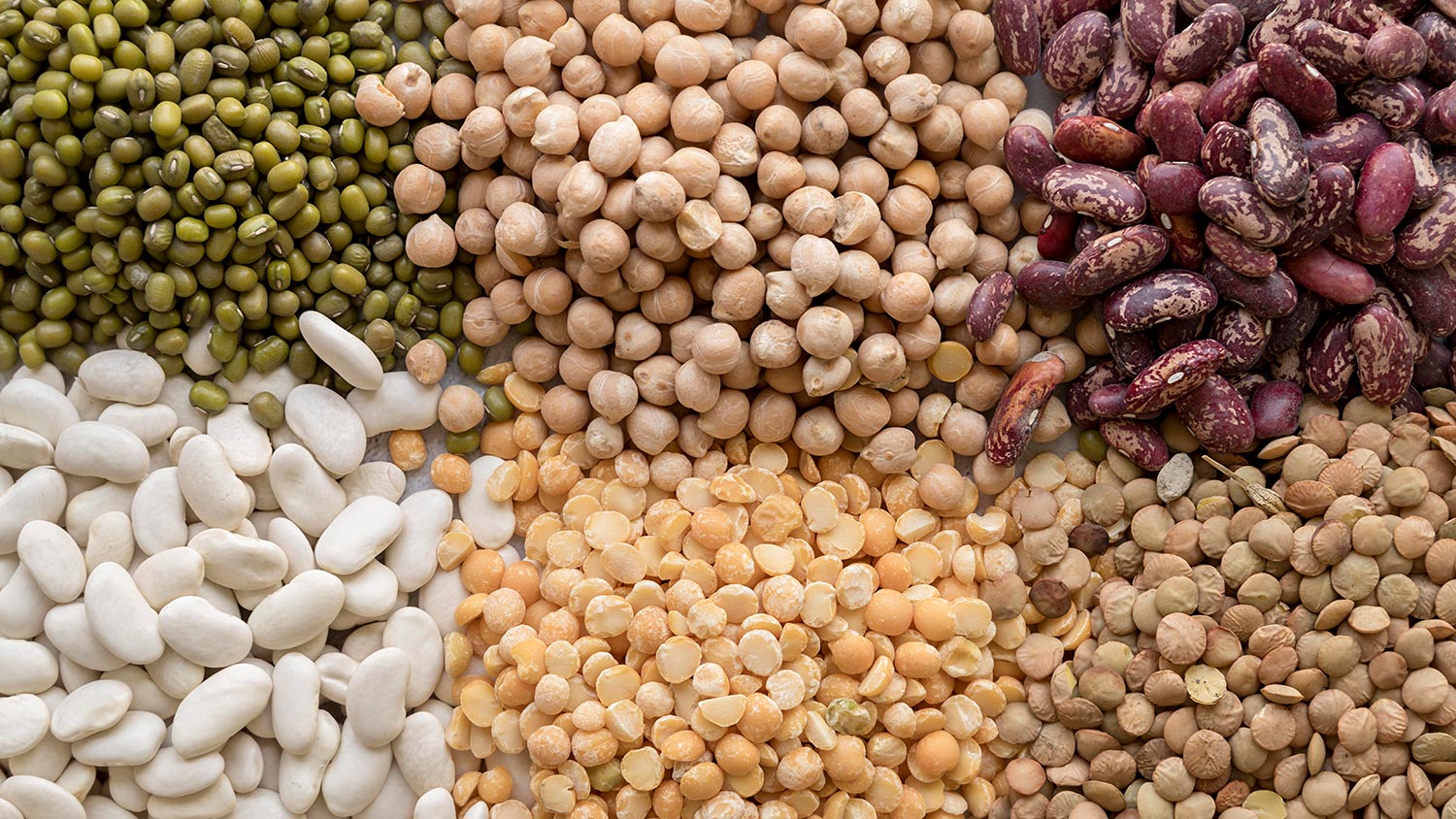
The reality: Although these foods are rich in nutrients and have beneficial properties, they are not indispensable for a healthy diet. Many common foods, such as lentils, broccoli or oats, are also excellent sources of nutrients and are more accessible. The important thing is the variety and balance in your food.
Council: Don't get carried away by fashion. Eat fresh and local food whenever possible, and make sure you include a wide range of fruits, vegetables, legumes, whole grains and protein sources.