
Pathologies
digestive
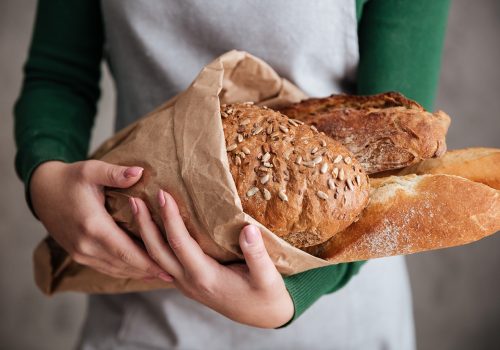
Nutrition for digestive pathologies
The digestive diseases like celiac, irritable bowel syndrome, SIBO or gastroesophageal reflux can affect your quality of life. Adequate feeding is key to reducing symptoms, improve digestion and recover intestinal balance. Through a personalized approach, in Vivea we help you identify which foods benefit your digestive system and which may be affecting it. Together we will design a nutritional plan adapted to your situation, so that you will enjoy the food without hindrance.
Celiacia
In Vivea we help you bring a balanced gluten-free diet, avoiding nutritional deficiencies and improving your digestive well-being without giving up the pleasure of eating.
Irritable Intestine Syndrome
In Vivea we design an adapted nutritional plan to reduce symptoms and improve your quality of life.
Food allergies
We manage your diet to avoid adverse reactions without your diet being monotonous or restrictive. In Vivea we create a safe and varied plan for you.
SIBO
Control the intestinal bacterial overgrowth with adequate feeding. At Vivea we design nutritional strategies to reduce symptoms and recover your digestive balance.
Hormone health
Equate your hormones with adequate food. We help you improve polycystic ovarian syndrome, hypothalamic amenorrhea, dysmenorrhea, premenstrual syndrome...
Nutrition in pregnancy and lactation
We accompany your pregnancy and lactation with nutritional advice adapted to each stage. It guarantees a balanced diet for your well-being and the optimal development of your baby.

Nutritional education
Learn to feed in a conscious and healthy way with our nutritional education. We guide you in sustainable habits, label reading and food planning to improve your long-term well-being.

Sports nutrition
Optimize your performance with a feed adapted to your discipline. We design nutritional plans to improve energy, recovery and sports performance, helping you achieve your goals in a healthy and efficient way.

Clinical nutrition
We improve your health with personalized nutritional plans for Dyslipemia, hypothyroidism and hyperthyroidism, diabetes, hypertension, oncology processes... An evidence-based approach to caring for your well-being and quality of life through food.

Vegetarian and vegan food
We help you bring a balanced vegetarian or vegan diet, covering all your nutritional requirements. We design custom plans for a healthy diet, varied and adapted to your lifestyle.
Vivea method
So we improve your day by day

Book your date
We got you in our office or by video call.

We examined your case.
We evaluated your situation to offer you the best plan

We made a plan.
We design a program to suit your objectives

We run the plan.
It's time to get to know you a little better!
Questions
common
How does food influence digestive pathologies?
Food plays a key role in digestive health. What we eat can improve or worsen the symptoms of pathologies such as irritable bowel syndrome, celiac, or SIBO. An adequate diet helps reduce inflammation, avoid digestive irritants and improve the intestinal microbial, encouraging better digestion and absorption of nutrients. In some cases, such as food intolerances or allergies, eliminating certain foods is essential to avoid adverse reactions. It is also important to balance the diet to avoid nutritional deficiencies and ensure correct intestinal function. At Vivea we work with a personalized approach, adapting the food to each person and pathology to improve their quality of life.
When should I go to a nutritionist if I have digestive problems?
If you experience frequent digestive discomfort such as swelling, abdominal pain, diarrhoea, constipation or intolerance to certain foods, it is recommended to go to a nutritionist. A professional can help you identify which foods may be affecting your digestive system and design a feeding plan adapted to your needs. It is also essential if you have been diagnosed with a digestive pathology such as celiac, SIBO or food allergies, as you will need to adjust your diet properly. In Vivea we analyze your case in depth for brindarte nutritional strategies that help you relieve symptoms and improve your digestive well-being.
How to differentiate an intolerance from a food allergy?
Food intolerances and food allergies are not the same, although they can generate digestive symptoms. A food allergy involves a reaction of the immune system to a specific food, which can cause serious symptoms such as difficulty breathing or anaphylactic shock. On the other hand, an intolerance occurs when the digestive system cannot process a food properly, generating symptoms such as swelling, gas or diarrhoea. A common example is lactose intolerance, caused by the lack of the lactase enzyme. It is essential to obtain a precise diagnosis to know how to handle each condition. At Vivea we help you identify and adapt your food to avoid discomfort and ensure balanced nutrition.
Can stress affect my digestive health?
Yes, stress directly influences digestive health. The digestive system and the nervous system are connected through the intestine-brain axis, which means that stress can alter intestinal motility, cause inflammation and modify the intestinal microbial. Many people experience symptoms such as diarrhoea, constipation, swelling, or abdominal pain when they are under stress. In addition, chronic stress may worsen conditions such as irritable bowel syndrome or gastroesophageal reflux. To improve your digestive health, it is important to combine adequate feeding with stress management strategies such as meditation, exercise or conscious breathing. In Vivea we not only design nutritional plans, but we also guide you on life habits that can improve your digestive well-being.
Is it advisable to remove certain foods without prior diagnosis?
It is not recommended to remove food without a precise diagnosis. Many people eliminate food groups based on symptoms without really knowing the cause of the problem. This may lead to nutritional deficiencies or even worsening symptoms. For example, eliminating gluten without being celiac may make it difficult to correct diagnosis. Before making drastic changes in your diet, it is important to go to a health professional who can guide you and do necessary tests. In Vivea we analyze your case to identify the cause of your discomfort and offer you an adequate nutritional solution without endangering your health.
What food should I avoid if I have celiac?
If you have celiac, you must completely avoid any food containing gluten, a protein present in wheat, barley, rye and derivatives such as spelt or kamut. This includes products such as bread, pasta, breads, beer and many processed foods that may contain traces of gluten. It is also essential to read product labels, as gluten may be present in sauces, sausages or supplements. In addition to avoiding gluten, it is important to bring a balanced diet to prevent nutritional deficits, especially of iron, fiber and vitamins of group B. At Vivea we help you design a gluten-free diet that is safe, varied and adapted to your needs.
How do I know if I have irritable bowel syndrome or is another digestive pathology?
Irritable bowel syndrome (II) is characterized by abdominal pain along with symptoms such as swelling, abdominal distension, diarrhoea or constipation without an identifiable structural cause. However, these symptoms may be confused with other digestive diseases such as inflammatory intestinal disease, food intolerances, or bacterial overgrowth (SIBO). For a correct diagnosis, it is important to go to a health professional who discards other conditions through medical tests. At Vivea we help you identify the triggers of your symptoms and design an adapted nutritional plan to reduce discomfort and improve your well-being.
Is it possible to improve SIBO by feeding alone?
The SIBO (bacterial overgrowth of the small intestine) requires a treatment that includes specific antibiotics for the type of overgrowth along with a nutritional approach to meet nutritional needs and improve digestive symptoms. Feeding plays an important role in the management of SIBO to manage symptoms and cover possible deficiencies. One of the recommended nutritional guidelines is the low FODMAP diet performed in a personalized way. In Vivea we design specific food plans for SIBO, adapting the diet to each phase of treatment to improve digestive health without compromising nutrition
How can I adapt my food if I have a food allergy?
If you have a food allergy, it is essential to completely remove the triggering food to avoid adverse reactions. However, this does not mean that your food should be monotonous or restrictive. In Vivea we help you find safe and balanced alternatives to replace allergens without affecting your nutrition. We also teach you how to read labels, identify possible cross-contamination and plan varied and safe meals for your condition.
What to do if I have recently been diagnosed with celiac?
The diagnosis of celiaquia can be overwhelming, but with the appropriate accompaniment, the transition to gluten-free food can be simple and effective. The first is to learn how to identify gluten-containing foods and how to avoid cross-contamination. It is also important to check your nutritional status, as many celiac people have iron, calcium and vitamin deficiencies in group B. In Vivea we guide you in this process, helping you to structure your food in a safe, varied and balanced way so that you can improve your quality of life without concerns.
Start a new you
Send us your data and we will contact you to offer you a specialized plan that will suit your needs.