
Nutrition
in pregnancy
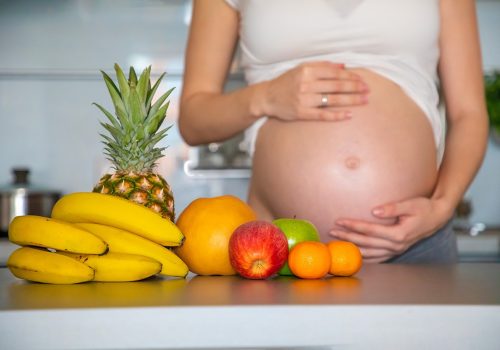
Welfare for you and your baby
During pregnancy and lactation, nutrition plays a key role in the development of the baby and in the well-being of the mother. Adequate food helps to meet the nutritional needs of each stage, preventing deficiencies and promoting healthy growth. In Vivea we accompany you with a personalized plan, adapted to each trimester of pregnancy and to the lactation stage, ensuring an optimal nutritional balance. We help you establish habits that benefit your health and your baby's health in a safe and natural way.
Food per quarter
Adapts your diet to each stage of pregnancy to ensure optimal baby development and maintain your well-being. We help you meet your nutritional needs safely.
Management of digestive symptoms and discomfort
Nausea, acidity, constipation and fatigue are common symptoms during pregnancy. We offer you nutritional strategies to relieve these inconvenience and improve your quality of life.
Post-partum recovery
Adequate feeding in breast-feeding promotes milk production and body recovery after delivery. We guide you to maintain a balanced and energy diet.
Nutritional deficiencies and supplementation
During pregnancy and lactation, the needs of certain nutrients increase. We help you prevent iron, calcium, omega-3 and other essential deficiencies, ensuring your well-being and your baby's.

Gastrointestinal diseases
We improve your digestive health with personalized nutritional advice. We treat Celiacia, irritable bowel syndrome, food allergies, food intolerances, SIBO, gastroesophageal reflux...
Hormone health
Equate your hormones with adequate food. We help you improve polycystic ovarian syndrome, hypothalamic amenorrhea, dysmenorrhea, premenstrual syndrome...

Nutritional education
Learn to feed in a conscious and healthy way with our nutritional education. We guide you in sustainable habits, label reading and food planning to improve your long-term well-being.
Sports nutrition
Optimize your performance with a feed adapted to your discipline. We design nutritional plans to improve energy, recovery and sports performance, helping you achieve your goals in a healthy and efficient way.

Clinical nutrition
We improve your health with personalized nutritional plans for Dyslipemia, hypothyroidism and hyperthyroidism, diabetes, hypertension, oncology processes... An evidence-based approach to caring for your well-being and quality of life through food.
Vegetarian and vegan food
We help you bring a balanced vegetarian or vegan diet, covering all your nutritional requirements. We design custom plans for a healthy diet, varied and adapted to your lifestyle.
Vivea method
So we improve your day by day

Book your date
We got you in our office or by video call.

We examined your case.
We evaluated your situation to offer you the best plan

We made a plan.
We design a program to suit your objectives

We run the plan.
It's time to get to know you a little better!
Questions
common
Why is feeding important during pregnancy?
During pregnancy, feeding has a direct impact on the health of the mother and on the development of the baby. A balanced diet rich in essential nutrients helps prevent deficiencies that could affect fetal growth and reduces the risk of complications such as gestational diabetes, hypertension or premature delivery. It is key to ensure a good contribution of folic acid, iron, calcium and omega-3, among others, to support the development of the nervous system, bone formation and the transport of oxygen in the blood. In addition, adequate feeding helps to manage symptoms such as nausea, fatigue or fluid retention. In Vivea we design personalized nutritional plans to ensure that both the mother and the baby receive the necessary nutrients at each stage of pregnancy.
What foods should be prioritized and what to avoid during pregnancy?
In pregnancy, it is important to eat foods rich in essential nutrients. It is recommended to prioritize quality proteins (fish, eggs, lean meat, legumes), healthy fats (avocado, nuts, olive oil) and complex carbohydrates (whole cereals, fruits and vegetables). It is also key to ensure a good intake of calcium (dairy or fortified vegetable alternatives), iron (legumes, seafood, egg, nuts, spinach...) and omega-3 (small blue fish, chia, nuts...). As regards food to be avoided, it is recommended to reduce the consumption of high-mercury fish (swordfish, bluefin tuna), to avoid raw meat and fish, non-pasteurized dairy and sausages at risk of infection. It is also important to moderate caffeine consumption and avoid alcohol. In Vivea we help you plan a balanced and safe diet for your pregnancy.
How can I relieve nausea and other digestive symptoms in pregnancy?
Nausea, reflux and constipation are common symptoms in pregnancy, but may be relieved with some nutritional strategies. To reduce nausea, it is recommended to eat small portions of food every few hours, choose easy to digest foods and avoid strong odors. It can also help include ginger or soft infusions such as chamomile. In the case of reflux, it is recommended to avoid very fatty foods, coffee, chocolate and copious foods. To combat constipation, it is important to increase fiber consumption through whole fruits, vegetables and cereals, as well as to stay well hydrated. At Vivea we design adapted nutritional plans to help you reduce these symptoms and improve your well-being.
How much weight is it normal to gain during pregnancy?
The weight gain varies by woman and her body mass index (BMI) before pregnancy. In general, an increase of between 9 and 16 kg is recommended, although this may vary. In women with low weight before pregnancy, it is recommended to gain more, while in women with overweight, the gain may be lower. The most important thing is that the food is balanced and that the weight gained comes from correct nutrition and, therefore, the food is not based on food of low nutritional quality. In Vivea we accompany you to ensure that your weight gain is healthy and in accordance with the needs of your pregnancy.
How does food influence the production of breast milk?
The composition of breast milk is influenced by the mother's feeding, although the body prioritizes milk production to ensure that the baby receives the necessary nutrients. However, an inadequate diet may affect the quantity and quality of milk. It is important to consume enough calories and maintain adequate hydration. Nutrients such as omega-3, calcium and proteins are essential at this stage. In addition, some foods such as oats, almonds and fennel seeds can help milk production. In Vivea we design custom plans to support breastfeeding and ensure that both the mother and the baby receive the necessary nutrients.
Is it normal to feel more hungry during breast-feeding?
Yes, breastfeeding increases the mother's energy spending, as milk production requires an extra amount of calories. It is normal to feel more hungry, but it is important to choose nutritious food rather than ultra-processed options. It is recommended to include healthy snacks such as nuts, yogurt, fruit with dried fruit cream or whole toasted with avocado. It is also key to stay hydrated, as milk production requires more liquids. At Vivea we help you balance your food during this stage so that you feel energy and well nourished.
Can I do weight loss diet after delivery without affecting breast-feeding?
After delivery, it is normal to want to recover the previous weight, but it is important to do so progressively and without affecting milk production. Excessive caloric restriction can reduce the amount of breast milk and affect the mother's energy levels. Instead of strict diets, it is recommended to carry a balanced diet, rich in proteins, healthy fats and fiber, and to accompany it with moderate physical activity when the body is prepared. In Vivea we help you to recover your weight in a healthy way, without compromising breastfeeding or your well-being.
What nutrients are key during lactation?
During lactation, it is essential to maintain a good contribution of calcium (dairy, almonds, sesame seeds), Omega-3 (small blue fish, chia, nuts), iron (legumes, spinach, nuts, seafood...), iron (legumes, red meat, spinach) and vitamin B12 (eggs, fish, meat). It is also important to stay well hydrated and to consume enough calories to support milk production. At Vivea we design feeding plans that meet all these needs to ensure healthy breastfeeding.
Start a new you
Send us your data and we will contact you to offer you a specialized plan that will suit your needs.