
Nutrition
sports
Achieve your goals with Vivea
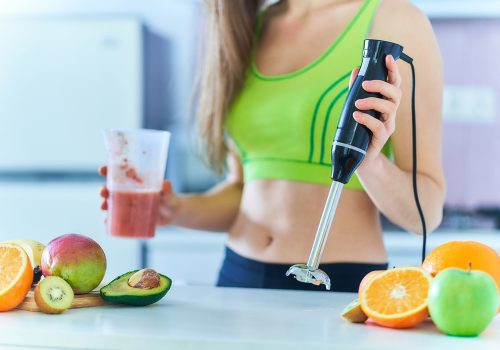
Nutrition is one of the key parts to improve sports performance, gain muscle mass or achieve specific goals, such as oppositions preparation. In Vivea, we help you optimize your food so you can make the most of your training and achieve your goals in a healthy and sustainable way. Whether you seek to improve your resistance, increase your strength or improve recovery, we provide you with nutritional plans adapted to your type of activity, frequency of training and personal goals. Our philosophy is to accompany you in every step, teaching you how to nurture your body properly to improve your long-term performance and health.
Improve your sports performance
Optimize your performance with an adapted diet that increases energy, strength and recovery speed, to train more intensively and avoid injuries.
Increase your muscle gain
We help you gain muscle mass by adjusting your nutrient intake to promote muscle growth without accumulating body fat, combining diet and training.
Nutrition for oppositions
We design a nutritional plan that promotes energy, concentration and resistance, helping to keep you in shape during physical and mental preparation for oppositions.
Recovery after training
It improves recovery with adequate nutrition to repair muscles and recover energy, reducing exhaustion and accelerating the regenerative process after exercise.

Gastrointestinal diseases
We improve your digestive health with personalized nutritional advice. We treat Celiacia, irritable bowel syndrome, food allergies, food intolerances, SIBO, gastroesophageal reflux...
Hormone health
Equate your hormones with adequate food. We help you improve polycystic ovarian syndrome, hypothalamic amenorrhea, dysmenorrhea, premenstrual syndrome...

Nutrition in pregnancy and lactation
We accompany your pregnancy and lactation with nutritional advice adapted to each stage. It guarantees a balanced diet for your well-being and the optimal development of your baby.

Nutritional education
Learn to feed in a conscious and healthy way with our nutritional education. We guide you in sustainable habits, label reading and food planning to improve your long-term well-being.

Clinical nutrition
We improve your health with personalized nutritional plans for Dyslipemia, hypothyroidism and hyperthyroidism, diabetes, hypertension, oncology processes... An evidence-based approach to caring for your well-being and quality of life through food.
Vegetarian and vegan food
We help you bring a balanced vegetarian or vegan diet, covering all your nutritional requirements. We design custom plans for a healthy diet, varied and adapted to your lifestyle.
Vivea method
So we improve your day by day

Book your date
We got you in our office or by video call.

We examined your case.
We evaluated your situation to offer you the best plan

We made a plan.
We design a program to suit your objectives

We run the plan.
It's time to get to know you a little better!
Questions
common
How can nutrition improve my sports performance?
Adequate nutrition plays a key role in sports performance. The right nutrients help maintain high energy levels, improve resistance and reduce fatigue. For optimal performance, it is essential to consume an adequate amount of carbohydrates for energy, recovery proteins and healthy fats for an adequate hormonal function. In Vivea, we design personalized nutritional plans that take into account your type of sport, your objectives and the intensity of your training, ensuring that your body receives what it needs to deliver to the maximum. In addition, we help you identify the ideal time to consume these nutrients before, during and after exercise, to maximize your performance and accelerate recovery.
What foods are ideal to gain muscle mass?
To gain muscle mass, the key is to consume an adequate combination of proteins, carbohydrates and healthy fats, as well as to maintain a controlled caloric surplus. Proteins are essential for muscle repair and growth, so you must include high-quality sources such as lean meat, fish, eggs, legumes and dairy products. Carbs are also important, as they provide the energy needed for intense training. Incorporating complex carbohydrates such as oats, whole rice and sweet potatoes is ideal. In addition, healthy fats, such as avocados, nuts and olive oil, are key to the proper functioning of your body. In Vivea, we help you design a balanced and adapted diet to maximize muscle gain in a healthy way.
Is it necessary to take supplements to improve sports performance?
Supplements may be useful in certain cases, but they are not essential for all athletes. The key is a balanced diet, rich in natural nutrients that provide the energy and essential components your body needs. In Vivea, we guide you on when and how to integrate supplements, such as proteins or creatine, if necessary, and only in specific cases. Ideally, most of your nutrition comes from fresh and natural foods, which not only offer you nutrients more efficiently, but are also healthier in the long term. Our goal is to prioritize a complete diet that covers all your needs and that supplements complement, not replace, a well-balanced diet.
How can I optimize my recovery after intensive training?
Post-training nutrition is crucial to accelerate recovery and reduce muscle fatigue. It is important to replace nutrients lost during exercise, especially carbohydrates and proteins. Carbs help to replenish the muscle glycogen, which is exhausted during exercise, while proteins promote muscle repair and synthesis of new fibers. In Vivea, we guide you on the best sources of post-training nutrients, such as protein smoothies with carbohydrates or balanced meals like chicken with whole rice and vegetables. Hydration is also essential, as water and electrolytes lost during exercise should be reinstated to avoid dehydration. In addition, the right rest is essential for your body to repair and strengthen your muscles.
How can I adapt my diet if I'm training for an opposition?
Preparing for oppositions requires not only physical resistance, but also high concentration and constant energy. The diet plays an important role in both aspects. It is essential to ensure that your body has the nutrients necessary to maintain high energy levels throughout the day and improve performance in physical testing. In Vivea, we design a nutritional plan adapted to your training routine, with emphasis on complex carbohydrates for constant energy, proteins for muscle recovery and healthy fats for cognitive function. We also address the importance of vitamins and minerals, such as iron and magnesium, which are crucial for physical resistance and mental concentration. With a balanced and adapted diet, we help you keep you in shape and give up to the full throughout the preparation process.
What should I eat before I train to get more energy?
A good pre-training meal is key to having energy during physical activity. The ideal is to consume a combination of carbohydrates and proteins about 1-2 hours before exercise. Carbs provide the fast energy your body needs, while proteins help prevent muscle wear. It is also important to drink enough water before training to avoid dehydration.
How much should I eat if I train several times a week?
If you train several times a week, your caloric intake must be adapted to the intensity and frequency of your training. As your physical activities increase, it is necessary to increase calories in a controlled way to maintain your performance and promote muscle recovery. In Vivea, we help you adjust your diet according to your needs, incorporating more carbohydrates for energy and proteins for muscle repair. Depending on your objectives, such as improving performance or gaining muscle mass, we adjust the amounts and distribution of the macroutrients. We also make sure that your diet is balanced, including micronutrients essential to maintain a good health. Good nutrition will help you feel more energy and achieve an efficient recovery between training.
Start a new you
Send us your data and we will contact you to offer you a specialized plan that will suit your needs.