
Health
hormonal
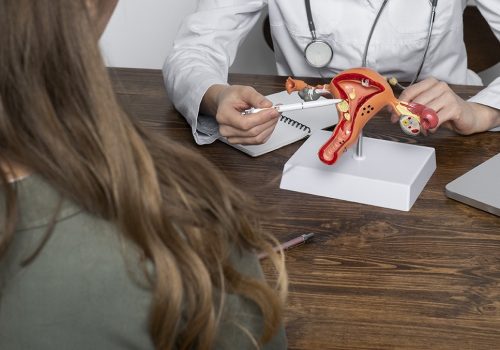
Nutrition for hormonal balance
Hormonal imbalances can affect your quality of life, causing symptoms such as irregular cycles, menstrual pain, fatigue, or metabolic problems. Conditions such as polycystic ovarian syndrome (SOP), hypothalamic amenorrhea or premenstrual syndrome can be improved with adequate food and healthy living habits. At Vivea we work with you to identify your body's needs and design a personalized nutritional plan that helps you regulate your menstrual cycle, reduce discomfort and recover your hormonal well-being naturally.
Polycystic ovarian syndrome
In Vivea we help you balance your hormones with an adapted diet, improving insulin resistance, regulating your menstrual cycle and reducing symptoms such as acne or fatigue.
Hypothalamic amenorrhea
Recover your menstrual cycle naturally with an appropriate nutritional strategy. At Vivea we work with you to improve your energy, balance your food and support hormonal health without extreme restrictions.
Dismenorrhea (severe menstrual pain)
If menstrual pain affects your day to day, in Vivea we help you with a nutritional approach that reduces inflammation, improves your hormonal well-being and naturally relieves symptoms.
premenstrual syndrome
Regulate your premenstrual symptoms with a balanced diet. In Vivea we design an adapted plan to reduce swelling, mood changes and fatigue, helping you live your cycle with greater well-being.

Gastrointestinal diseases
We improve your digestive health with personalized nutritional advice. We treat Celiacia, irritable bowel syndrome, food allergies, food intolerances, SIBO, gastroesophageal reflux...
Nutrition in pregnancy and lactation
We accompany your pregnancy and lactation with nutritional advice adapted to each stage. It guarantees a balanced diet for your well-being and the optimal development of your baby.

Nutritional education
Learn to feed in a conscious and healthy way with our nutritional education. We guide you in sustainable habits, label reading and food planning to improve your long-term well-being.
Sports nutrition
Optimize your performance with a feed adapted to your discipline. We design nutritional plans to improve energy, recovery and sports performance, helping you achieve your goals in a healthy and efficient way.

Clinical nutrition
We improve your health with personalized nutritional plans for Dyslipemia, hypothyroidism and hyperthyroidism, diabetes, hypertension, oncology processes... An evidence-based approach to caring for your well-being and quality of life through food.
Vegetarian and vegan food
We help you bring a balanced vegetarian or vegan diet, covering all your nutritional requirements. We design custom plans for a healthy diet, varied and adapted to your lifestyle.
Vivea method
So we improve your day by day

Book your date
We got you in our office or by video call.

We examined your case.
We evaluated your situation to offer you the best plan

We made a plan.
We design a program to suit your objectives

We run the plan.
It's time to get to know you a little better!
Questions
common
How does food influence the hormonal balance?
Feeding is key to maintaining hormonal balance, as the nutrients we eat influence the production and regulation of hormones. Adequate consumption of healthy fats, quality proteins and complex carbohydrates helps to stabilize insulin, cortisol and sexual hormones such as estrogen and progesterone. In addition, certain micronutrients such as zinc, magnesium and group B vitamins are essential for hormonal function. On the other hand, a high diet in refined and processed sugars can cause inflammation and hormonal disadjustments. In Vivea we design nutritional plans adapted to each need, helping to regulate hormones naturally and improving symptoms related to menstrual alterations, fatigue, mood changes and other hormonal conditions.
What are the most common symptoms of a hormonal imbalance?
Hormonal imbalances can manifest in different ways, depending on the hormone affected. Some of the most common symptoms include irregular menstrual cycles, persistent acne, hair loss, extreme fatigue, mood changes, difficulty losing or gaining weight, insomnia and digestive problems. In women, specific symptoms such as severe premenstrual syndrome, very painful menstruation or lack of rule (amenorrhea) may occur. These symptoms may be related to conditions such as polycystic ovarian syndrome (POS), insulin resistance or thyroid disorders. At Vivea we work to identify the causes of these symptoms and offer personalized nutritional strategies to improve hormonal balance and quality of life.
Can stress affect my hormonal health?
Yeah, stress has a direct impact on the hormonal balance. When we are under constant stress, the body releases cortisol, a hormone that, in excess, can alter the production of other key hormones such as estrogen and progesterone. This can cause menstrual irregularities, more intense premenstrual syndrome, digestive problems and chronic fatigue. In addition, prolonged stress can contribute to insulin resistance, making weight loss difficult and increasing the risk of SOP. To improve hormonal health, it is essential to manage stress with techniques such as meditation, moderate exercise and adequate feeding. In Vivea we help you balance your diet and adopt habits that favour a more stable hormonal system.
How to know if my menstrual problems are related to food?
If you experience irregular cycles, very painful rules or severe premenstrual symptoms, feeding can be a key factor. The consumption of inflammatory foods such as ultraprocessed foods, excess sugar or alcohol may worsen these symptoms. Also, deficiencies in nutrients such as iron, magnesium and omega-3 may affect the regulation of the menstrual cycle. In addition, an too restrictive diet can lead to hypothalamic amenorrhea, causing menstruation to disappear. In Vivea we analyze your food and nutritional status to identify how to improve your diet and regulate your menstrual cycle in a healthy way.
Is it possible to improve hormonal misadjustments without medication?
In many cases, yes. Adjusting the diet, reducing stress and improving sleep habits can help balance hormones without the need for medication. For example, both the SOP and the hypothalamic amenorrhea could be reversed with an appropriate and personalized feeding to each situation, as well as adequate stress management and regular exercise. However, in some specific cases, the medication may be necessary and should be evaluated by a health professional. At Vivea we offer natural strategies to improve your hormonal health effectively and sustainably.
How can food help in polycystic ovarian syndrome (POS)?
Feeding plays an important role in managing the SOP. A balanced diet with an adequate contribution of fiber, complex carbohydrates, proteins, healthy fats, fruits and vegetables, as well as a reduction of ultra-processed and refined sugars among other adaptations can help to treat SOP. In Vivea we design a plan adapted to your situation, helping you reduce symptoms such as insulin resistance, infertility and menstrual alterations.
Why have I lost the menstruation and what can I do to get it back?
One of the causes can be hypothalamic amenorrhea, which occurs when menstruation disappears due to an energy deficit, excessive stress or intense exercise. It may be related to very restrictive diets, low percentage of body fat or a high level of physical activity without sufficient caloric intake. To recover it, it is essential to increase the intake of calories, especially healthy fats, and to reduce stress. It is also key to improve the relationship with food and exercise. At Vivea we help you adapt your diet and habits to recover your menstrual cycle in a natural and sustainable way.
Are there foods that help reduce menstrual pain?
Yes, some foods can help reduce inflammation and relieve menstrual pain. Omega-3-rich foods such as salmon, chia seeds and nuts have anti-inflammatory properties that can decrease the intensity of colic. It is also recommended to increase magnesium intake, present in nuts, spinach and legumes, as it helps to relax muscles and reduce uterine spasms. Avoiding excess caffeine, alcohol and ultraprocessed food can also make a big difference. At Vivea we design nutritional strategies to help you manage menstrual pain naturally.
How can I reduce the symptoms of premenstrual syndrome naturally?
Premenstrual syndrome (PMS) may cause symptoms such as swelling, mood changes, fatigue and cravings. To reduce these symptoms, it is important to maintain a balance in the intake of complex carbohydrates, proteins, vegetables, fruits, healthy fats and nuts. In addition, we can emphasize zinc, calcium and magnesium to improve associated symptomatology. In Vivea we guide you to adjust your diet and minimize the symptoms of the SPM effectively.
What nutrients are key to maintaining good hormonal health?
For a correct hormonal balance, it is essential to include healthy fats (blue fish, avocado, olive oil, nuts, seeds...). It is also important to ensure a good contribution of magnesium, zinc and group B vitamins, essential for the production of hormones. In Vivea we design nutritional plans adapted to your needs to optimize your hormonal health naturally.
Start a new you
Send us your data and we will contact you to offer you a specialized plan that will suit your needs.